



The AI-driven data center boom is reshaping global investments, but rising concerns over water, energy use and local impact are triggering resistance in the US and parts of Europe.
3 min read


 1 / 8
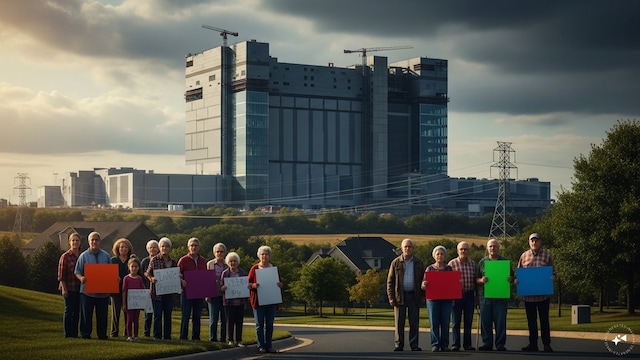
1 / 8US Pushback Grows: In the United States, data centers have become a “Not In My Backyard” issue, with local communities opposing projects they say strain resources without enough long-term benefits. A Data Center Watch report says projects worth $64 billion were delayed or halted between May 2024 and March 2025 due to protests and regulatory pushback, showing rising conflict between developers and local residents.

(Photo Credit: Canva)
2 / 8What People Fear: Opposition is driven by concerns over rising electricity costs, heavy water use, tax incentives for developers, and limited long-term jobs once centers are operational. While construction creates temporary employment, operational facilities need fewer workers. This has led residents to question whether the economic benefits are enough to justify the pressure on local resources and infrastructure.
(Photo Credit: Canva)
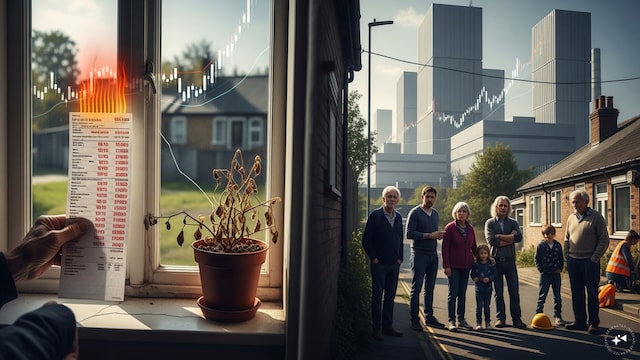
3 / 8Virginia Turns Wary: Virginia, the world’s largest data center hub, is at the center of the debate. Public support has dropped from 69% in 2023 to 35% in 2026, reflecting growing concern about the sector’s impact. The shift shows that even established hubs are seeing increased scrutiny as expansion continues and its effects on infrastructure and resources become more visible.
(Photo Credit: Canva)
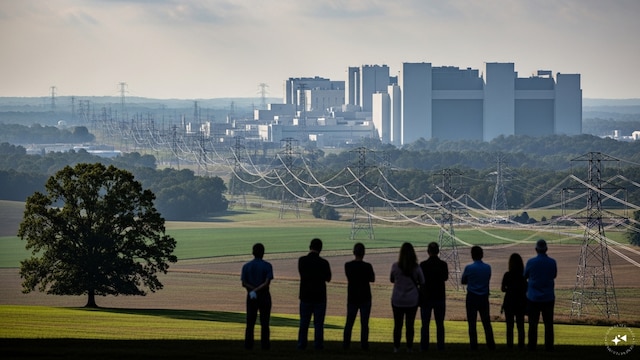
4 / 8Power and Heat: AI systems depend on powerful chips that consume large amounts of electricity and generate heat. A single chip can use up to 700 watts, and a small number of chips can match the load of a household appliance. To manage this heat, data centers require extensive cooling systems, which significantly add to their overall energy and resource consumption.
(Photo Credit: Canva)
5 / 8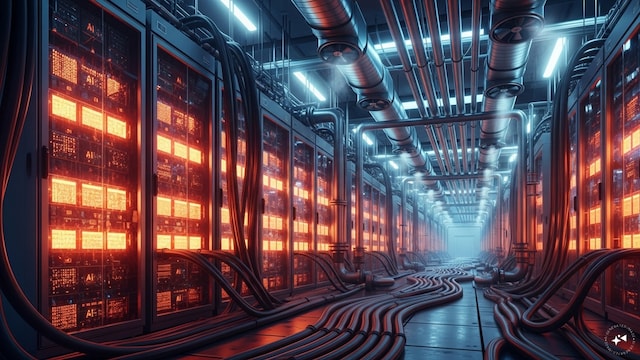
(Photo Credit: Canva)
6 / 8
(Photo Credit: Generated image)
7 / 8
(Photo Credit: Generated image)
8 / 8