




 1 / 11
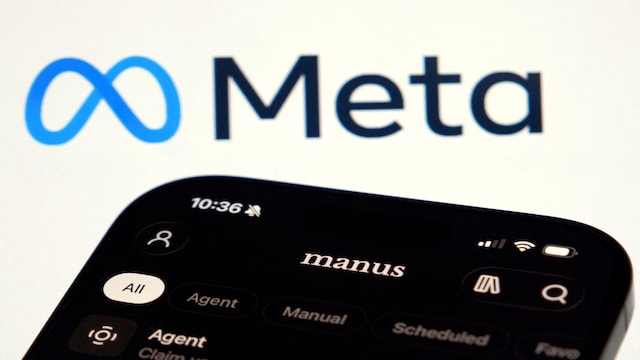
A $2.5 billion acquisition between Meta and AI start-up Manus has been halted by Chinese authorities, turning what looked like a routine tech deal into a major regulatory flashpoint. Here’s a look at what happened and why it matters.
 2 / 11
A fast-tracked deal that drew global attention: In December 2025, Meta agreed to acquire Manus in just about two weeks. The deal was seen as a rare high-value exit for a Chinese-founded AI company, especially at a time of tighter US-China tech restrictions. (Image: Canva)
 3 / 11
Manus’ rapid rise in the AI space: Manus gained traction for building general-purpose AI agents capable of handling multi-step tasks like research, coding and analysis with minimal human input. Its product launch in March 2025 quickly attracted strong interest. (Image: Canva)
 4 / 11
Early hype, then questions over technology: Demand surged, with over a million users on the waitlist and invite codes reportedly selling at prices up to $15,000. But concerns followed, with critics questioning how much of Manus’ tech was truly its own versus reliance on models from firms like Anthropic and Alibaba.
 5 / 11
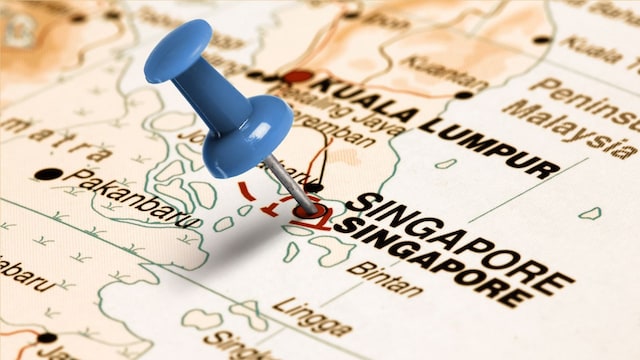
Strategic move to Singapore: By mid-2025, Manus shifted its headquarters to Singapore, shutting mainland China operations. This helped it access global capital and US-developed AI tools while operating under fewer restrictions. (Image: Canva)
 6 / 11
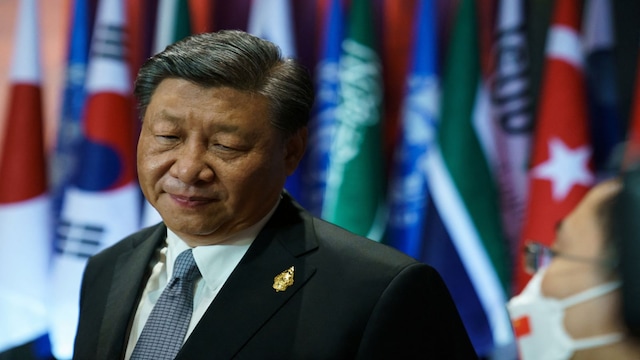
China’s stance shifted after the Meta deal: The tone changed sharply once the acquisition was announced. China’s top leadership, including the National Security Commission under Xi Jinping, flagged the deal as a potential risk to the country’s tech base.
 7 / 11
Multi-agency review and travel restrictions: Authorities launched a review covering export controls, foreign investment rules and competition law. Manus founders were reportedly questioned and barred from leaving China during the investigation. (Image: Reuters)
 8 / 11
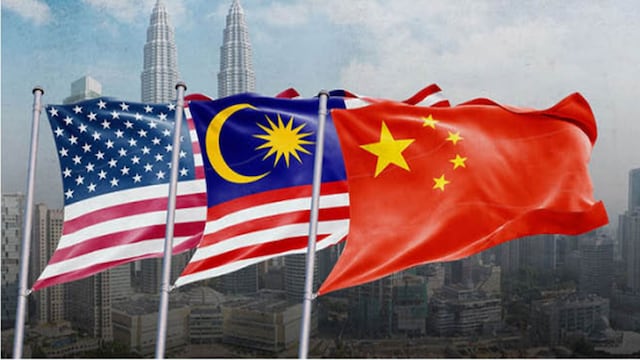
Why this deal stands out: Chinese firms often expand overseas, but this case raised concern due to its sequence: build in China, relocate abroad, and quickly sell to a US buyer. Regulators see this as a possible route for transferring technology out of China.
 9 / 11
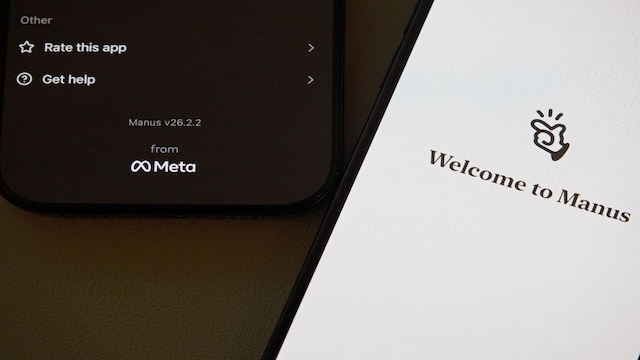
What happens next: China has asked both companies to unwind the deal within weeks, including restoring Chinese assets and removing transferred data. Failure to comply could lead to penalties. (Image: Reuters)
 10 / 11
Legal basis for China’s intervention: Despite Manus’ overseas shift, its roots remain in a Beijing-based entity, keeping it within China’s regulatory scope. Under Chinese law, cross-border deals involving domestic firms can be reviewed if they pose national security risks. (Image: Canva)
 11 / 11
A difficult balancing act: The situation is complex because parts of the deal have already been executed. Meta has started integrating Manus into its systems, employees and leadership have moved into its AI division, and investors have been paid out. Reversing the deal could disrupt business operations. (Image: Reuters)